”Pᴇʀғᴇᴄᴛ ᴘᴇʀsᴏɴᴀʟɪᴛʏ ɪs ɴᴏᴛ ʀᴇʙᴇʟʟɪᴏɴ, ʙᴜᴛ ᴘᴇᴀᴄᴇ.”
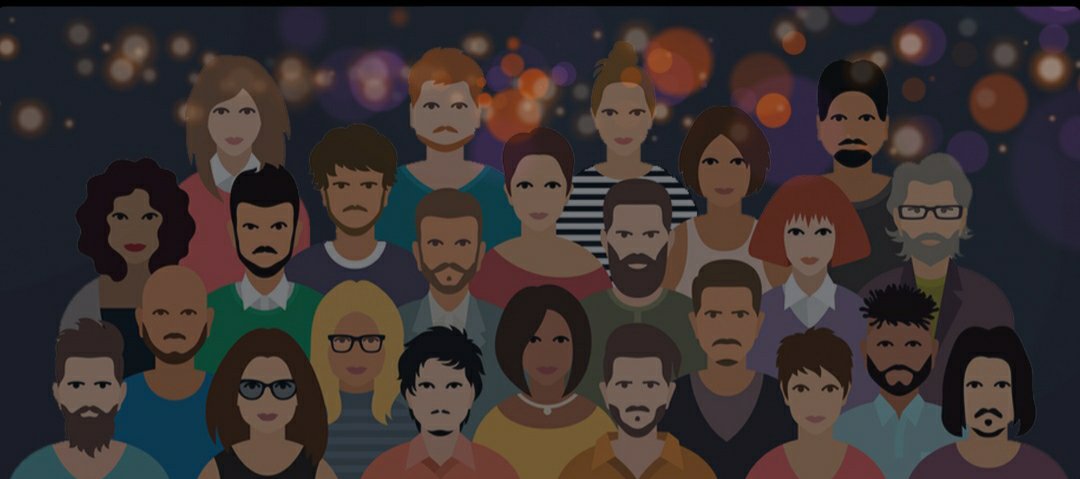
Ever heard the phrase ”They’ve got a big personality”? Usually, that means the person is very outgoing and noticeable, which can be good or bad depending on the opinion.
However, personality is not something measured on a scale of having more or less. It’s a part of who we are and our myriad of traits. Let’s take a look at the way psychologists describe personality and the different personality types. You might even recognize your own.
PERSONALITY–As a professional term in psychology, personalityis a person’s unique patterns of thought, emotion, and behavior. This means that personality is composed of all of an individual’s unique characteristics.đ
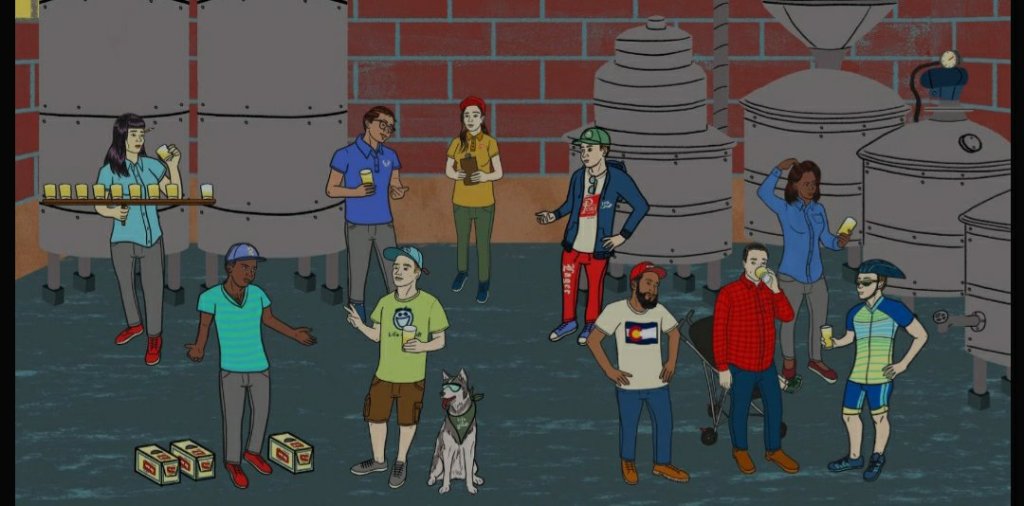
This is the list is only from my experience and watching how people are handling the current crisis differently… it has been very interesting to watch these.
1. 𝑻𝒉𝒆 𝑰𝑵𝑭𝑶𝑹𝑴𝑬𝑹
The informer, they usually seeks to inform. The informer will email to inform about the newest happenings, news headlines and government restrictions. While the informer may wish only to share the information to others who may not be aware, their excited information sharing can be perceived as a bit panicky or judgey.
2.𝑻𝒉𝒆 𝑮𝑶𝑺𝑺𝑰𝑷
The gossip has always been a gossip of some kind. People gossiping may not be aware of some things… Most people have a natural curiosity about what’s going on among people in the community. Some of the best books are biographies that tell the life stories of other people. However, the best biographies give the reader an understanding of the nuance and complexity of the person’s character through facts. They are not based on one-sided, offensive judgments of the person.

3. 𝑻𝒉𝒆 𝑾𝑶𝑹𝑹𝑰𝑬𝑹
Warrior personality type are unique. They are offense-minded and street-smart. They are highly tactical and resourceful, plus they are quick to exploit an opportunity. Chaos does not frighten them, but they get impatient with. Recognizing which personality type an individual is, gives you an awesome advantage in selling, because you can predict how they will behave. It allows you to predict the future, and guide them to buying your products and services.

4.𝑻𝒉𝒆 𝑳𝑬𝑨𝑫𝑬𝑹
This survey article is about leadership and personality, as it appears to be a renewed interest in this topic. Even when traditional research is re-examined and new research performed the most basic conclusion remains the same. Studies of how personality traits relate to leadership give inconsistent answers. Traditional and contemporary research shows that personality cannot explain leadership. Traits of leaders cannot explain organizational effectiveness. Leadership appears to have a minor impact on organizational effectiveness. The personality approach is less relevant to management. Management and leadership in formal organizations are not about possessing special traits. It is about acting.
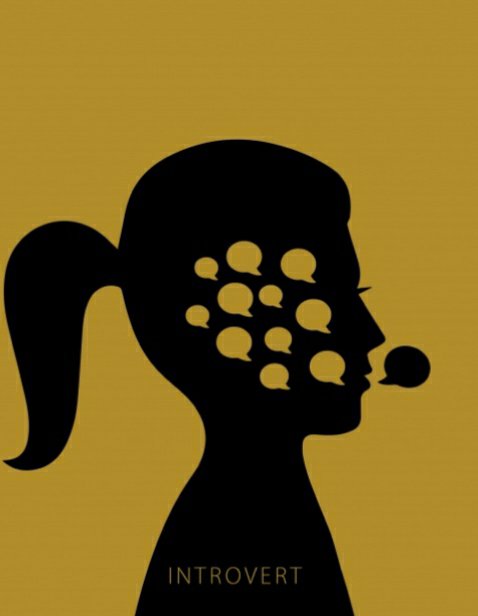
5.𝑻𝒉𝒆 𝑰𝑵𝑻𝑹𝑶𝑽𝑬𝑹𝑻
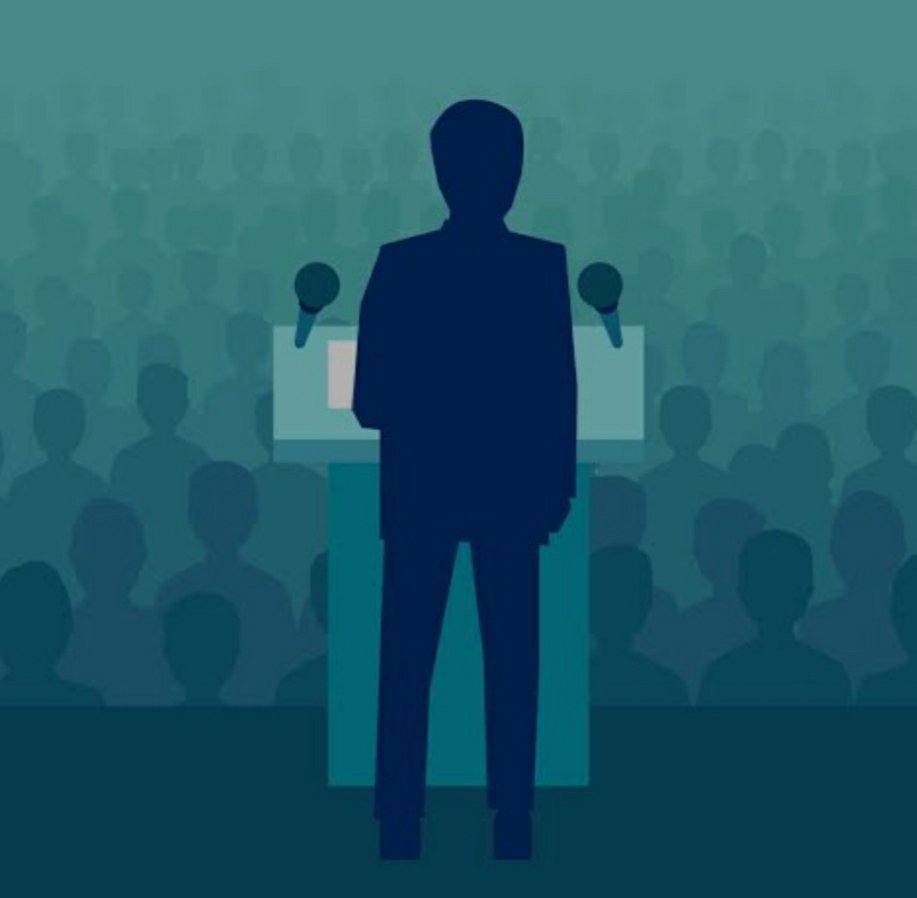
An introvert is often thought of as a quiet, reserved, and thoughtful individual. They don’t seek out special attention or social engagements, as these events can leave introverts feeling exhausted and drained… Introverts are the opposite of extroverts.Extroverts are often described as the life of a party. They seek out interaction and conversations. They aren’t one to miss a social gathering, and they thrive in the frenzy of a busy environment.
6.𝑻𝒉𝒆 𝑹𝑬𝑩𝑬𝑳
Rebels resist all expectations, outer and inner. They do what they want to do in the way and when they want to do it, acting from a source of freedom, choice, and self-expression. When someone else tries to get a rebel to do something, they resist. Rebels also tend to enjoy meeting challenges, such as finishing a project by an ambitious deadline or holding a friendly competition to outperform other members of your group. They also love defying expectations, proving others wrong.
7. 𝑻𝒉𝒆 𝑸𝑼𝑬𝑺𝑻𝑰𝑶𝑵𝑬𝑹
Questioners question all expectations. They want to know why they should do something because they have a deep commitment to logic and efficiency.
“Questioners have a hard time making decisions because they want more information,” says Rubin. “They need reasons and justifications to be motivated. If they are at work and feel something’s dumb, they won’t do it.”
This tendency can be accused of being disrespectful or not being a team player because they seem like they’re trying to undermine authority. “Some workplaces reword questioning and some don’t,” says Rubin. “Questioners need to learn how to ask questions in constructive way.”
➪︎𝐂𝐀𝐍 𝐏𝐄𝐑𝐒𝐎𝐍𝐀𝐋𝐈𝐓𝐘 𝐂𝐇𝐀𝐍𝐆𝐄?
Maybe. A study published in the January 2017 journal Psychological Bulletin synthesized 207 published research papers and found that personality may be altered through therapy. “For the people who want to change their spouse tomorrow, which a lot of people want to do, I don’t hold out much hope for them,” said study researcher Brent Roberts, a social and personality psychologist at the University of Illinois. However, he continued, “if you’re willing to focus on one aspect of yourself, and you’re willing to go at it systematically, there’s now increased optimism that you can affect change in that domain.”
Additional resources by Alina Bradford, Live Science contributor.
Sensing and intuition refer to how people prefer to gather information about the world, whether through concrete information (sensing) or emotional feelings (intuition). Thinking and feeling refer to how people make decisions. Thinking types go with logic, while feeling types follow their hearts.
While there are countless characteristics that combine in an almost infinite number of ways, people have been trying to find a way to classify personality into types ever since Hippocrates and the ancient Greeks defined four basic temperaments. Today, psychologists generally define personality in terms of five basic traits.
𝐓𝐇𝐀𝐍𝐊 𝐘𝐎𝐔…!
 Priyanka.N_20191CSE0461
Comment
LikeLiked by 1 person
Good job
LikeLiked by 1 person
Nice
LikeLiked by 1 person
Super
LikeLiked by 1 person
Nice
LikeLiked by 1 person
Nice
LikeLiked by 1 person
Gud one..👌👌
LikeLiked by 1 person